If your healthcare provider has prescribed cholestyramine for diarrhea, you may wonder when to take it for the best results. Understanding the best time to take cholestyramine for diarrhea can help you follow your treatment schedule, manage symptoms, and avoid interactions with other medications.
Cholestyramine works differently from many common diarrhea treatments. Instead of slowing bowel movements directly, it binds bile acids inside the digestive tract. As a result, it may help people whose diarrhea occurs because excess bile acids reach the colon.
However, the right dosing schedule depends on your prescription, other medications, and individual digestive symptoms. Therefore, always follow your prescriber’s instructions rather than changing your medication timing independently.
Quick Answer: Best Time to Take Cholestyramine for Diarrhea
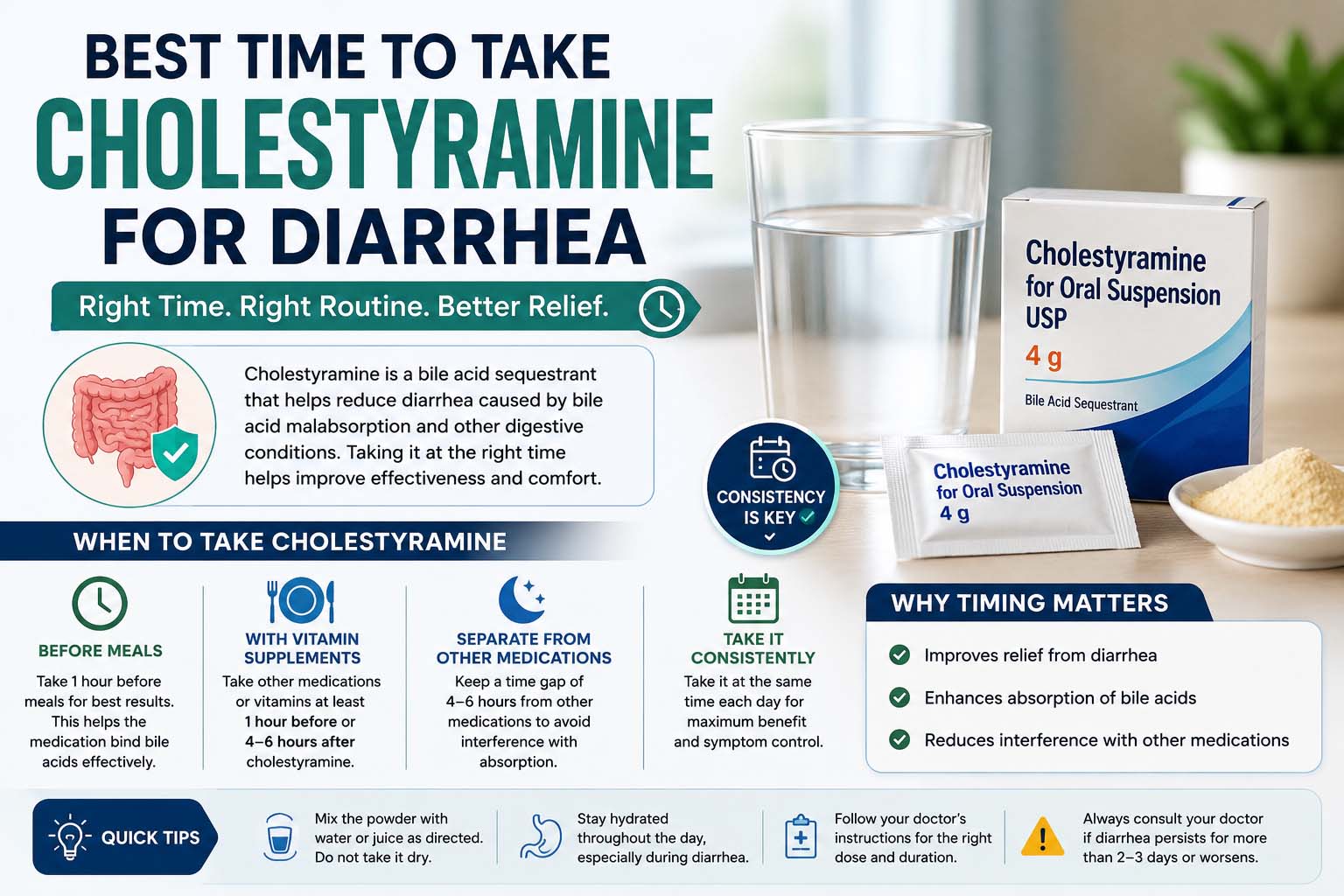
The best time to take cholestyramine depends on your prescribed dosing schedule. Healthcare professionals may recommend taking it with meals, before meals, or at another consistent time based on the condition being treated.
For bile acid-related diarrhea, coordinating doses with meals may be helpful because eating stimulates bile release. However, there is no single dosing time that works best for everyone.
The most important considerations are taking the prescribed amount consistently, preparing the powder correctly, and separating it from medications that cholestyramine may affect.
Quick Reference Guide
| Question | General Guidance |
|---|---|
| When should I take it? | Follow your prescribed schedule; timing may relate to meals |
| Can I take it with food? | Yes, depending on the product and your clinician’s instructions |
| Should I mix it with liquid? | Yes, never swallow the powder dry |
| Can it affect other medicines? | Yes, cholestyramine can reduce the absorption of certain medications |
| How should I separate medications? | Generally, take other medicines at least 1 hour before or 4–6 hours afterward |
| How quickly might symptoms improve? | Some people improve within days, but response times vary |
Although these recommendations provide general guidance, your pharmacist can help create a schedule that fits your other medications.
What Is Cholestyramine and How Does It Work?
Cholestyramine is a bile acid sequestrant, a medication that binds bile acids inside the digestive system.
Doctors originally used it primarily to lower cholesterol. However, healthcare professionals also prescribe it for certain types of chronic diarrhea, particularly bile acid diarrhea.
Unlike medications that enter the bloodstream to produce their effects, cholestyramine remains largely within the gastrointestinal tract.
It attaches to bile acids and helps remove them through bowel movements.
As a result, less free bile acid reaches the colon, where excessive amounts can contribute to watery stools and urgency.
How Cholestyramine Controls Bile Acid Diarrhea
Bile acids help the digestive system break down and absorb dietary fats.
Normally, the small intestine reabsorbs most bile acids and returns them to the liver for reuse.
However, some conditions interfere with this recycling process.
When excessive bile acids reach the large intestine, they can increase fluid secretion and bowel activity.
Consequently, symptoms may include:
- Frequent loose stools
- Urgent bowel movements
- Abdominal cramping
- Persistent watery diarrhea
- Difficulty controlling bowel movements
Cholestyramine binds these excess bile acids, reducing their ability to stimulate the colon.
Therefore, it may improve stool consistency and reduce urgency in people with bile acid-related diarrhea.
However, it does not treat every possible cause of diarrhea.
When Is Cholestyramine Recommended for Diarrhea?
Healthcare professionals may consider cholestyramine when bile acids contribute to ongoing digestive symptoms.
Potential situations include:
- Bile acid diarrhea
- Bile acid malabsorption
- Diarrhea following gallbladder removal
- Certain conditions affecting the end of the small intestine
- Selected cases of chronic watery diarrhea
For example, some people develop bile acid diarrhea after gallbladder surgery.
Others experience problems because the small intestine cannot reabsorb bile acids efficiently.
However, chronic diarrhea has many possible causes, including infections, inflammatory conditions, medication effects, and food intolerances.
Therefore, a proper medical evaluation is essential before starting treatment.
Best Time to Take Cholestyramine for Diarrhea Around Meals
Choosing a consistent medication schedule can help you manage symptoms and avoid preventable interactions.
There are two main considerations.
When to Take Cholestyramine Around Meals
Eating stimulates bile release into the digestive tract.
Therefore, your healthcare professional may recommend coordinating cholestyramine with meals.
However, some prescriptions use different schedules depending on symptom patterns and the number of daily doses.
For this reason, do not assume that taking the medication immediately before every meal is necessary.
Cholestyramine Timing and Medication Interactions
Cholestyramine can bind certain medicines in the digestive tract and reduce their absorption.
As a result, taking medications too close together may affect how well those treatments work.
A commonly recommended approach is to take other oral medications at least one hour before cholestyramine or four to six hours afterward.
Nevertheless, some medications require additional precautions or individualized timing.
Therefore, ask your pharmacist to review your complete medication list.
How to Take Cholestyramine Safely for Diarrhea
Proper preparation is essential because cholestyramine commonly comes as a powder for oral suspension.
Mix Cholestyramine Powder Before Taking It
Never swallow cholestyramine powder dry.
Instead, mix the prescribed amount thoroughly with an appropriate liquid or soft food according to your product instructions.
Common options may include:
- Water
- Juice
- Milk
- Soup
- Applesauce or another suitable soft food
For example, you can mix the powder into the recommended amount of water and stir thoroughly before drinking.
However, follow the preparation directions supplied with your specific product.
Dry powder can cause choking or irritation, so always prepare it properly.
Maintain Adequate Hydration
Cholestyramine can cause constipation, particularly when treatment begins or the dose increases.
Therefore, maintaining adequate fluid intake may help support bowel regularity.
You can drink water throughout the day and choose other suitable beverages based on your healthcare provider’s advice.
In addition, understanding the benefits of drinking warm water may provide useful ideas for maintaining a regular hydration routine.
However, warm water is not a substitute for medication or appropriate rehydration treatment.
Follow Your Prescribed Cholestyramine Dose
Always use the amount your healthcare professional prescribes.
Do not increase the dose simply because diarrhea continues.
Likewise, do not reduce or discontinue treatment without discussing persistent symptoms or side effects with your clinician.
If your symptoms remain uncontrolled, your provider may reassess the diagnosis, review medication timing, or adjust treatment.
Taking Cholestyramine With Other Medications
Medication interactions are among the most important safety considerations.
Because cholestyramine binds substances within the digestive tract, it can reduce the absorption of certain oral medications.
Examples may include:
- Thyroid hormone replacement medicines
- Warfarin and some other medications requiring careful monitoring
- Certain blood pressure medications
- Some antibiotics
- Certain heart medications
- Other prescription treatments
In addition, long-term treatment may affect the absorption of fat-soluble vitamins.
These include vitamins A, D, E, and K.
How to Space Cholestyramine and Other Medicines
A commonly recommended schedule is:
- Take other oral medications at least 1 hour before cholestyramine.
- Alternatively, take them 4–6 hours after cholestyramine.
However, these intervals are general guidance rather than a guarantee that every interaction will be prevented.
Your pharmacist may recommend different instructions for specific medicines.
For reliable medication information, consult the MedlinePlus cholestyramine drug information guide from the U.S. National Library of Medicine.
If you also use digestive supplements, learning about the best time to take probiotics may help you prepare questions about your supplement schedule.
Nevertheless, always ask your healthcare professional before combining supplements with prescription treatment.
Best Time to Take Cholestyramine for Diarrhea With Other Medicines
When several medications are involved, the safest schedule is one that follows each prescription’s instructions while maintaining appropriate spacing.
For example, someone who takes a morning thyroid medication may need to keep cholestyramine several hours apart from that dose.
Similarly, people taking medicines more than once daily may require a carefully planned schedule.
A pharmacist can help by reviewing:
- Your prescribed cholestyramine dose
- The number of daily doses
- Your usual meal schedule
- Other prescription medications
- Over-the-counter medicines
- Vitamins and supplements
Therefore, avoid creating a complicated medication schedule without professional guidance.
The best time to take cholestyramine for diarrhea should account for these interactions rather than focusing only on meal timing.
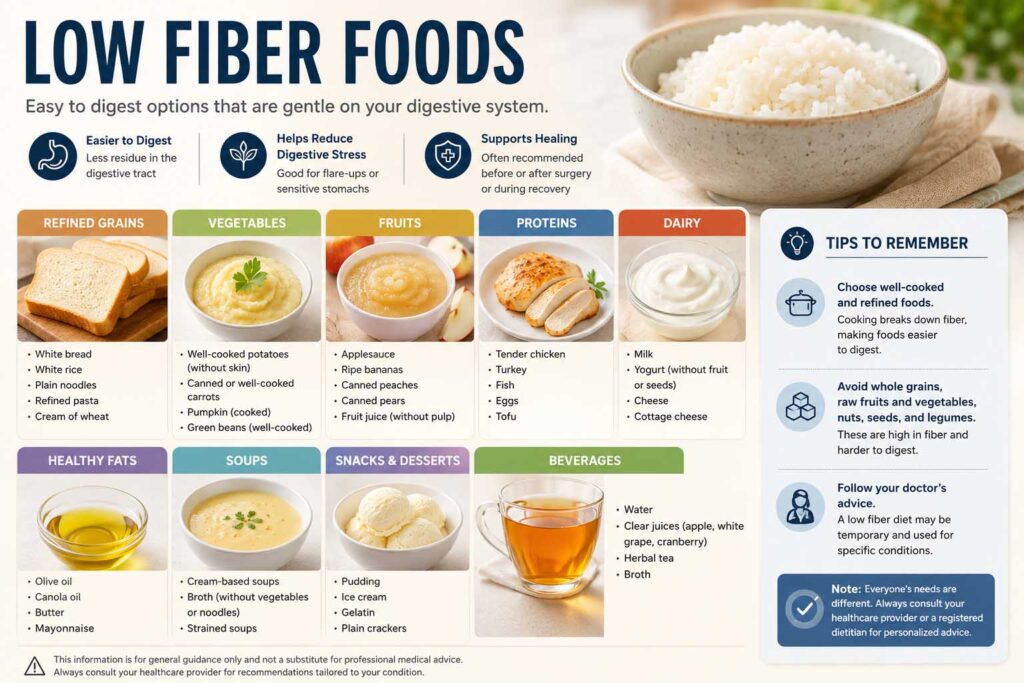
Foods That May Help During Treatment
Although cholestyramine targets bile acids, dietary choices can also influence digestive symptoms.
Some people find simple, easy-to-digest meals more comfortable during periods of diarrhea.
Examples include:
- Bananas
- White rice
- Applesauce
- Toast
- Oatmeal
- Plain potatoes
- Lean chicken
- Yogurt, if tolerated
For example, bananas can provide a convenient food option when appetite is reduced.
You may also find the guide on the best time to eat banana useful when planning regular meals.
However, no specific time of day makes bananas a treatment for bile acid diarrhea.
Foods That May Worsen Symptoms
Some people notice increased digestive discomfort after consuming:
- Fried foods
- High-fat meals
- Very spicy foods
- Alcohol
- Excess caffeine
In particular, high-fat meals can increase bile acid release and may worsen symptoms in certain people.
Therefore, your healthcare provider may recommend adjusting dietary fat intake.
Nevertheless, avoid unnecessarily restrictive diets without medical or nutritional guidance.
Cholestyramine Side Effects and Digestive Symptoms
Like other medications, cholestyramine can cause unwanted effects.
Common side effects include:
- Constipation
- Bloating
- Gas
- Abdominal discomfort
- Nausea
Constipation is particularly important because cholestyramine changes how substances move through the digestive tract.
Therefore, tell your healthcare professional if bowel movements become difficult or uncomfortable.
Managing Constipation During Treatment
Your clinician may recommend:
- Adequate fluid intake
- Appropriate dietary fiber
- Regular physical activity
- Reviewing the medication dose
- Monitoring bowel habits
However, increasing fiber is not suitable for every digestive condition.
For example, someone with significant abdominal pain or suspected bowel obstruction should seek medical evaluation rather than simply increasing fiber.
If your healthcare professional recommends dietary changes, this guide to foods high in fiber may help you identify suitable options.
When to Contact Your Healthcare Provider
Contact your healthcare professional if you experience:
- Severe constipation
- Persistent abdominal pain
- Diarrhea that continues despite treatment
- Repeated vomiting
- Unexplained weight loss
- Difficulty tolerating the medication
- New or worsening digestive symptoms
Some symptoms require more urgent attention.
For example, severe abdominal pain with vomiting and an inability to pass stool or gas may indicate a serious intestinal problem.
Likewise, blood in the stool, fainting, confusion, or signs of severe dehydration warrant prompt medical assessment.
If you experience difficulty breathing or swelling of the face or throat, seek emergency care.
Therefore, do not ignore significant changes in your symptoms while taking cholestyramine.
Managing Diarrhea During Cholestyramine Treatment
Medication works best as part of an appropriate treatment plan for the underlying condition.
Stay Hydrated
Frequent watery stools can cause substantial fluid and electrolyte losses.
Therefore, drink fluids regularly and ask your healthcare professional whether an oral rehydration solution would be appropriate.
Try Smaller Meals
Large meals may worsen digestive symptoms in some people.
Instead, smaller meals spaced throughout the day may feel easier to tolerate.
However, meal frequency should match your individual needs and treatment plan.
Track Diarrhea Symptoms and Cholestyramine Timing
A symptom diary can help identify patterns.
Consider recording:
- Meals and snacks
- Medication timing
- Stool frequency
- Stool consistency
- Abdominal symptoms
- Possible food triggers
For example, you may notice that symptoms occur more often after particular meals.
As a result, your healthcare provider can use the information to evaluate whether treatment adjustments are needed.
Common Myths About Cholestyramine
Myth: Cholestyramine Stops Diarrhea Immediately
Not necessarily.
Some people notice improvement within several days, while others need more time.
However, response depends on the underlying condition, prescribed dose, and individual treatment factors.
Myth: Cholestyramine Treats Every Type of Diarrhea
False.
Cholestyramine primarily helps when excess bile acids contribute to diarrhea.
Therefore, it is not a general treatment for infections, food poisoning, or every digestive disorder.
Myth: Cholestyramine Can Be Taken With All Other Medicines
False.
The medication can interfere with the absorption of certain oral treatments.
Instead, follow your pharmacist’s instructions about separating doses.
Myth: More Cholestyramine Always Works Better
False.
Taking more than prescribed can increase side effects, particularly constipation.
Therefore, dose adjustments should occur under medical supervision.
Frequently Asked Questions About Cholestyramine Timing
What Is the Best Time to Take Cholestyramine for Diarrhea?
The best schedule depends on your prescription, meal timing, and other medications.
Healthcare professionals may recommend taking it around meals or at another consistent time.
However, always follow the specific directions provided with your treatment.
Should I Take Cholestyramine Before or After Meals?
Your healthcare provider may recommend taking cholestyramine before meals, with meals, or at another scheduled time.
Because the medication binds bile acids in the digestive tract, meal timing may influence how your clinician organizes your treatment.
Nevertheless, do not change the schedule without professional advice.
Can I Take Cholestyramine at Bedtime?
Some people may take an evening dose if their prescription allows it.
However, bedtime dosing must still account for other medications and the prescribed daily schedule.
Therefore, ask your pharmacist whether an evening dose is appropriate.
How Long Does Cholestyramine Take to Work for Diarrhea?
Some people notice symptom improvement within a few days.
Others may require longer treatment or a review of their diagnosis and dose.
If diarrhea continues, contact your healthcare professional rather than increasing the medication independently.
What Should I Mix Cholestyramine With?
The powder is commonly mixed with water, juice, or another suitable liquid.
Some product instructions also allow mixing with certain soft foods.
However, never swallow the powder dry.
What Happens if I Miss a Dose?
Follow the missed-dose instructions supplied with your prescription.
In general, do not double the next dose to compensate for a missed one.
If you are unsure what to do, contact your pharmacist.
Does Cholestyramine Cure Chronic Diarrhea?
Cholestyramine can control symptoms when excess bile acids contribute to diarrhea.
However, it does not necessarily correct the underlying condition.
Therefore, some people require ongoing treatment and follow-up.
Can I Take Vitamins With Cholestyramine?
Cholestyramine may reduce the absorption of fat-soluble vitamins.
As a result, your healthcare provider may recommend monitoring vitamin status or adjusting supplement timing during long-term treatment.
However, do not start high-dose vitamin supplements without medical guidance.
Key Takeaways: Safe Cholestyramine Timing
The best time to take cholestyramine for diarrhea depends on your prescribed schedule, meal patterns, and other medications.
Although healthcare professionals may recommend coordinating doses with meals, consistent use and appropriate medication spacing are especially important.
Always mix the powder properly, follow your prescribed dose, and monitor digestive symptoms.
In addition, remember that cholestyramine can interfere with certain medications and vitamins. Therefore, your pharmacist should review your full treatment schedule.
For anyone comparing treatment schedules, the best time to take cholestyramine for diarrhea should always be determined with their prescribing healthcare professional.
With appropriate medical guidance and regular follow-up, cholestyramine can help many people manage chronic bile acid-related diarrhea more effectively.